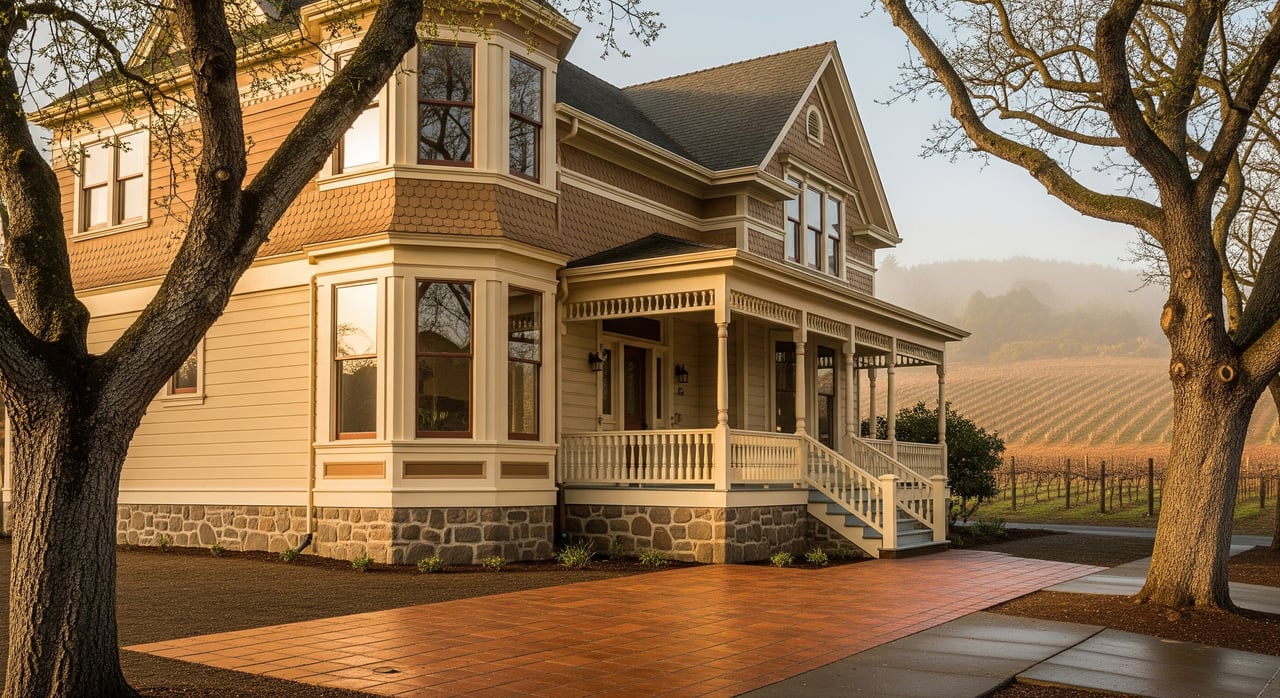
Earthquake Brace and Bolt Retrofits for Petaluma Homes
November 6, 2025
November 6, 2025
Do you own or want to buy an older Petaluma home and wonder how it would handle a strong earthquake? You are not alone. Many of Petaluma’s charming pre-1980 houses were built before modern seismic standards and have a few weak points that are easy to miss. In this guide, you’ll learn the three high-impact retrofits, what they cost, how to permit and document them, and where to look for grants and insurance benefits. Let’s dive in.
Petaluma sits within the greater Bay Area seismic region, influenced by several capable faults, including the Rodgers Creek and San Andreas systems. The USGS regional earthquake hazard information classifies the Bay Area as a higher hazard region compared with much of the country, which means elevated shaking risk for Sonoma County communities.
Homes built before about 1978 to 1980 often share vulnerabilities: unbolted sill plates, unbraced cripple walls, and unstrapped water heaters. These are small parts of the structure, but they play a big role in how a home performs during shaking. Addressing them can reduce damage and help you protect life, property, and resale.
What it is: Steel anchors connect the wood sill plate to the concrete foundation. This ties the structure to the foundation so it resists lateral forces.
Why it matters: Bolting helps prevent the house from sliding off the foundation and limits damaging movement.
What the work looks like: Contractors create access along the sill, drill into the concrete, install anchors or epoxy-set bolts, then repair finishes. Many projects use prescriptive details. A building permit and final inspection are commonly required.
Timeline and cost: Most single-family jobs take a few days to 1 to 2 weeks including permitting. A typical ballpark cost is about 1,500 to 8,000 dollars, depending on size, access, and repair needs.
Documentation to keep: permit and final inspection sign-off, contractor invoice, photos before and after, and notes on anchor type and spacing.
What it is: Contractors add plywood or structural sheathing to short walls between the foundation and the first floor, turning them into shear-resisting panels. Often combined with foundation bolting.
Why it matters: Unbraced cripple walls can buckle or allow big lateral movement. Bracing is one of the most effective ways to reduce earthquake damage in older wood-frame homes.
What the work looks like: Crews open access inside the crawlspace or a utility area, install blocking or engineered panels, fasten to the mudsill and rim joist, then patch finishes. A building permit and inspection are standard. Complex frames may require an engineer.
Timeline and cost: Expect several days to a couple of weeks, plus permit timing. Whole-house bracing can range about 3,000 to 15,000 dollars, with wide variability based on length of walls and access.
Documentation to keep: permit and inspection approvals, any engineered plans or letters, contractor invoice, and photos.
What it is: Metal straps secure the water heater to wall studs, and some homes add an automatic gas shutoff valve.
Why it matters: Strapping reduces the risk of heater toppling, gas leaks, and hot-water spills during shaking. Flexible connectors also help minimize leaks.
What the work looks like: Install upper and lower straps to studs or structural backing. If adding a seismic gas shutoff, a licensed plumber typically handles the work and permitting.
Timeline and cost: Strapping is often a 1 to 4 hour job and usually costs about 100 to 400 dollars. With a seismic gas shutoff and plumbing work, total costs often run about 500 to 2,500 dollars or more.
Documentation to keep: receipts, photos, and a permit for any gas work.
Many straightforward crawlspace retrofits follow prescriptive details that code officials recognize. If your home has unusual conditions, soft-story issues, complex foundations, or soil concerns, a licensed structural engineer should design the work and provide plans.
Permit rules vary by jurisdiction and project scope. For properties inside city limits, check the City of Petaluma Building Division. If your property is in unincorporated Sonoma County, contact the county’s permitting office at Sonoma County PRMD. Ask about required permits, inspections, and whether your project can use prescriptive details.
When you gather your documentation, include the final inspection sign-off. Insurers, lenders, and appraisers often rely on those records to verify that work meets standards.
Funding changes over time, so always verify status on official websites.
Eligibility often focuses on owner-occupied, single-family homes built before about 1980, sometimes with income guidelines or targeted ZIP codes. Always confirm current requirements.
Insurance: Some insurers and the CEA provide premium discounts for documented retrofits like bolting and cripple-wall bracing. Discount amounts and underwriting rules change, so request written quotes from your insurer and review guidance from the California Earthquake Authority and the California Department of Insurance. Keep your permits, inspection sign-offs, invoices, and photos handy when you request quotes.
Appraisals: Retrofits do not usually raise appraised value by the full cost of the work. That said, reducing risk and improving the home’s condition can support a better condition rating, faster market absorption, and fewer lender objections. For high-visibility or engineered projects, consider sharing a short engineer’s report with the appraiser. You can find general valuation guidance at the Appraisal Institute.
Thoughtful retrofit work can strengthen safety, support smoother underwriting and appraisals, and give buyers confidence. If you are weighing pre-listing upgrades or evaluating an older home you want to buy, let’s walk through the options, likely costs, and the documentation you will need. Unknown Company is here to help you plan your next steps.
Stay up to date on the latest real estate trends.
Real Estate
Born and raised in Sonoma County and backed by nearly two decades of real estate experience, I bring deep local knowledge, trusted expertise, and a genuine passion for people to every transaction. I’m proud to deliver a real estate experience that’s nothing short of exceptional. Explore my website, and don’t hesitate to reach out — we’re in this together!