If you know Santa Rosa is home but you’re unsure where to look, start with the home style you love. Do you picture a classic bungalow near coffee and the SMART train, or a single‑level ranch with a backyard? Maybe a newer open‑plan home, a hillside retreat, or a 55+ community suits you best. In this guide, you’ll see how popular styles map to real neighborhoods, what daily life feels like in each, and the key checks to make before you write an offer. Let’s dive in.
How price and planning shape your search
Santa Rosa home values vary by pocket, so your dollars go further in some areas than others. Central and downtown neighborhoods often price differently than northeast or hillside enclaves. Higher‑elevation view neighborhoods typically sit at a premium relative to in‑town blocks.
Local planning also matters. After the 2017 Tubbs Fire, north‑Santa Rosa neighborhoods saw widespread rebuilding and code updates. The city adopted Resilient City Standards that affect rebuilds and certain properties. If you are considering a home in these areas or on a slope, review the city’s guidance on rebuild timelines and hillside rules in the Resilient City Standards and notices.
Flood status can also be a factor. FEMA released preliminary flood maps for the Santa Rosa Creek watershed in 2025. Before you assume a parcel’s status, check the city’s page on preliminary flood mapping and next steps.
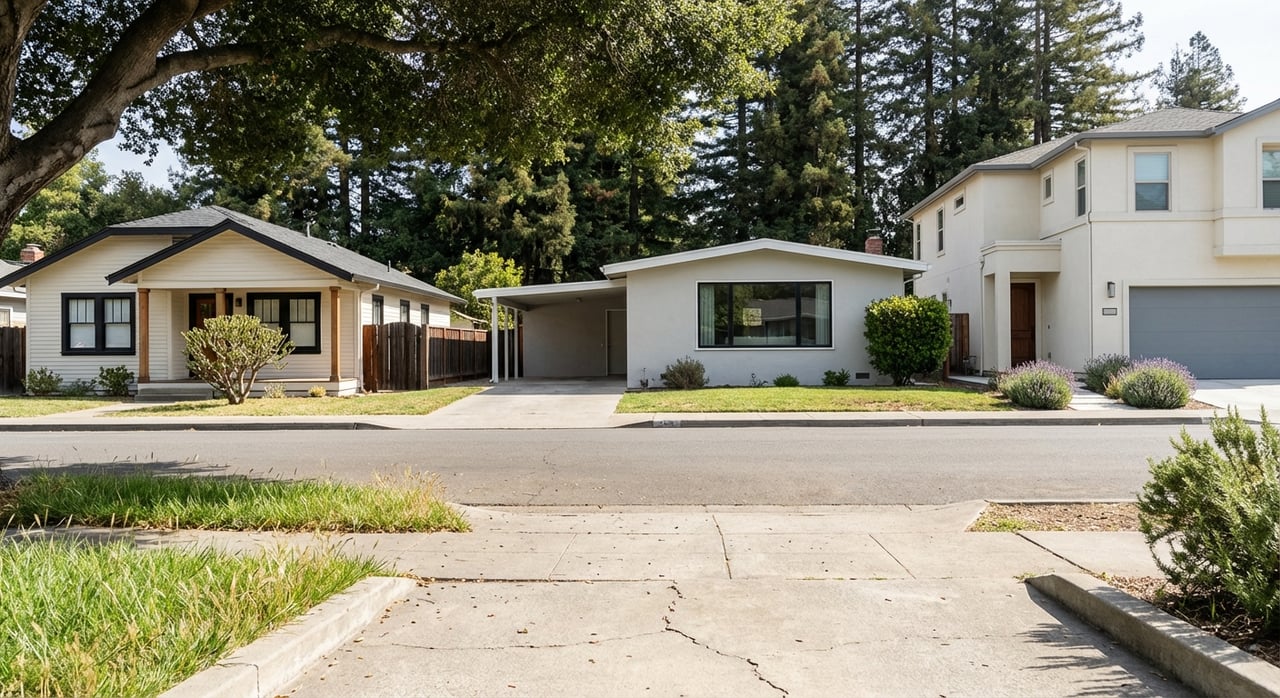
Classic bungalows and historic districts
Love porch life, character details, and walkable streets? Look around West End, Railroad Square, and the St. Rose and McDonald Avenue historic pockets near downtown. These areas offer a classic neighborhood feel close to restaurants, coffee, and transit.
- What homes are like: Late 1800s to 1940s houses that include Victorians, Craftsman bungalows, and small Queen Anne cottages. Lots tend to be compact, roughly 3,000 to 8,000 square feet.
- Daily life: High walkability, short hops to downtown and the SMART train, and plenty of local culture. Yard sizes are smaller than suburban tracts.
- Price context: Vintage charm and location can price competitively versus hillside areas, but exact values vary by block and renovation level.
- Practical checks: Some blocks fall within preservation districts, so exterior changes may require Cultural Heritage review. Start with the city’s Historic Walking Tour and district overview and the official Preservation Districts guide. For older homes, plan inspections that focus on wiring, plumbing, insulation, roofing, and seismic updates.
Mid‑century ranch neighborhoods
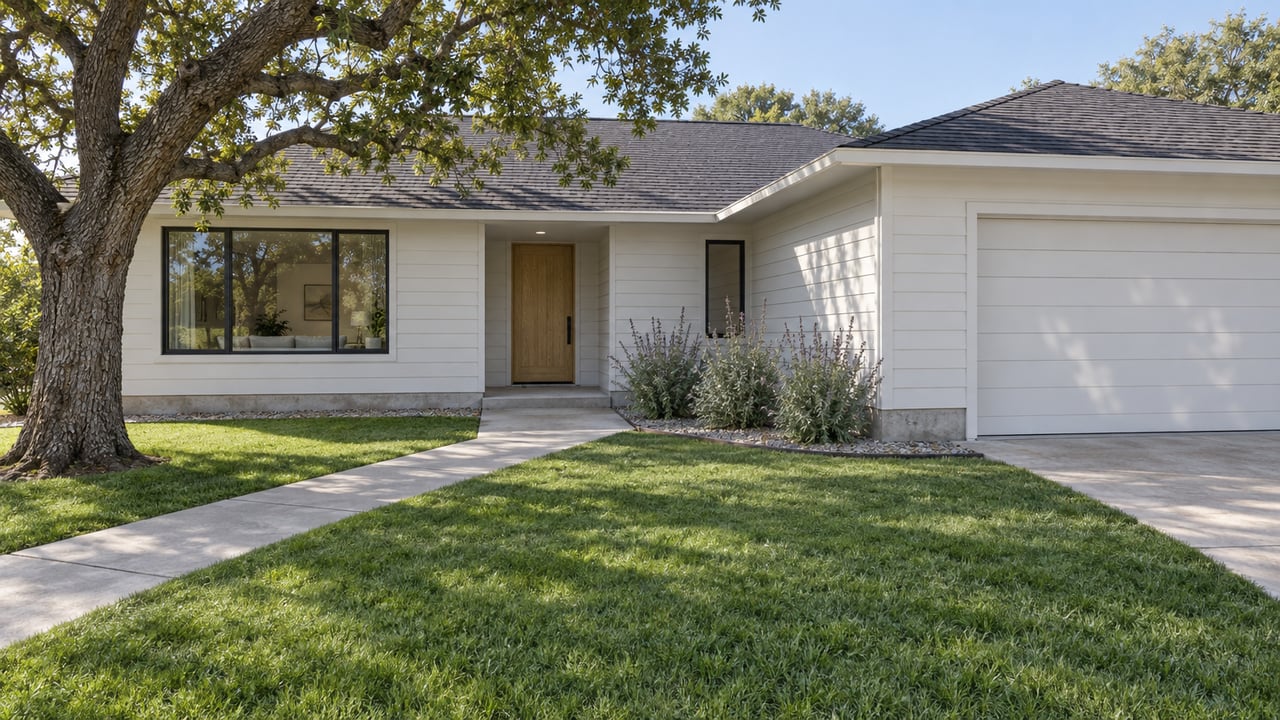
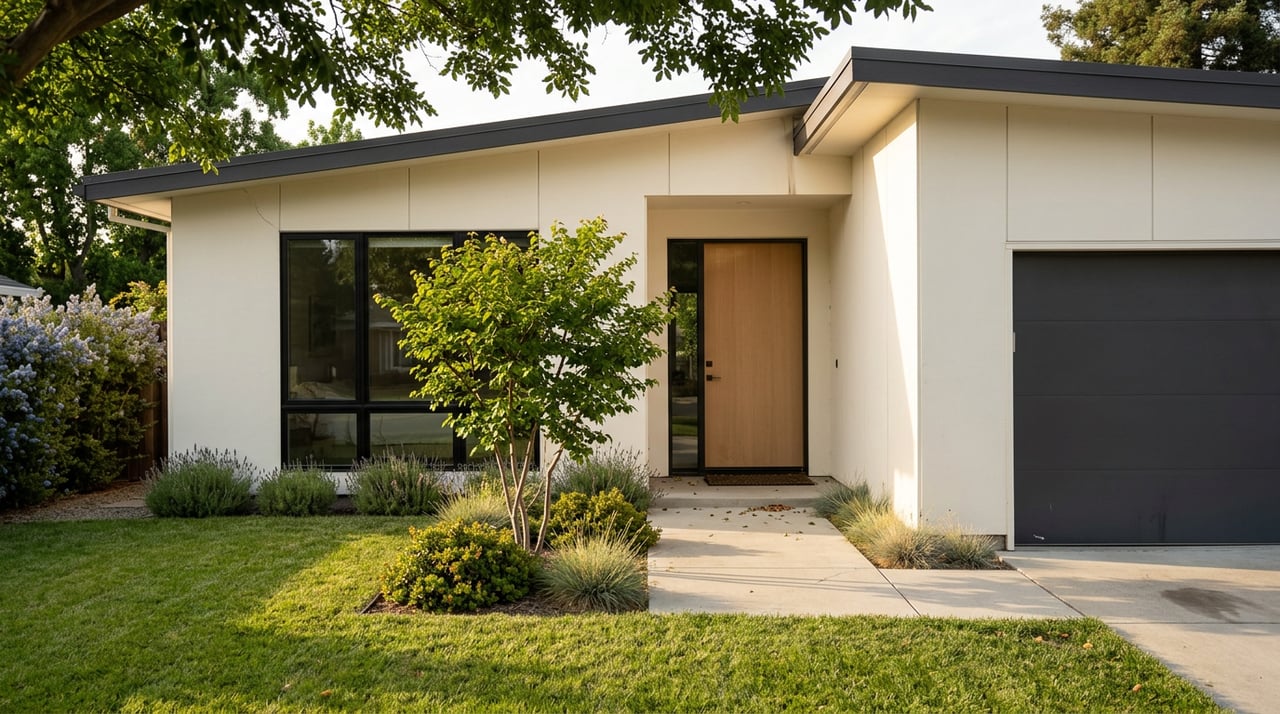
If single‑level living, bigger yards, and practical floor plans top your list, explore Bennett Valley, large parts of Rincon Valley, and established east and southeast blocks. These areas are popular with many first‑time and move‑up buyers seeking space and convenience.
- What homes are like: 1950s to 1970s ranches and split‑levels with attached garages and generous backyards.
- Lot sizes: Often 6,000 to 12,000 square feet in established tracts, with occasional larger parcels on select streets.
- Daily life: Easy access to parks and outdoor time. Spring Lake, Howarth Park, and Annadel serve as anchors for nearby neighborhoods and weekend routines. Explore the Spring Lake park overview.
- Practical checks: Verify current school boundaries directly with the district. Many lots can support accessory dwelling units under city rules. Review current guidance and fee details on the city’s FAQ page.
Newer subdivisions and master‑planned pockets
Prefer modern layouts and turnkey condition? Look to Skyhawk and several northeast and east Santa Rosa tracts, plus planned pockets in and near Fountaingrove and Vintage Woods. Many homes here were built from the 1990s through the 2020s, with open kitchens, larger primary suites, and attached garages.
- What homes are like: Newer construction with contemporary floor plans. Lot sizes often range from about one‑tenth to one‑half acre, depending on the tract and topography.
- Daily life: Move‑in ready features and community amenities in some locations. Expect some neighborhoods to include homeowners associations with rules and monthly fees.
- Practical checks: Portions of Fountaingrove and nearby areas experienced heavy fire impact and rebuilding. Rebuilt homes can offer modern systems and materials. Learn more about the rebuild story in neighborhoods like Coffey Park through this summary from the Press Democrat on resilient rebuilding efforts. Also review the city’s Resilient City notices for standards that may affect permits and timelines.
Hillside estates and view neighborhoods
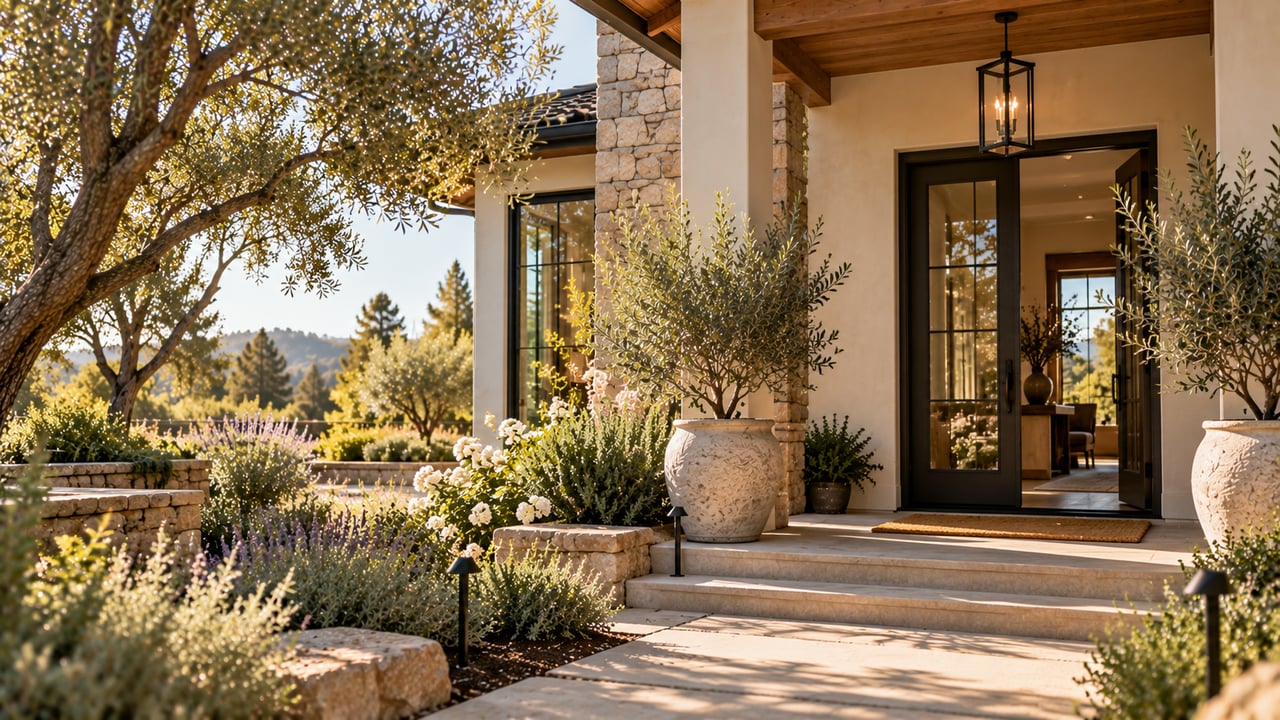
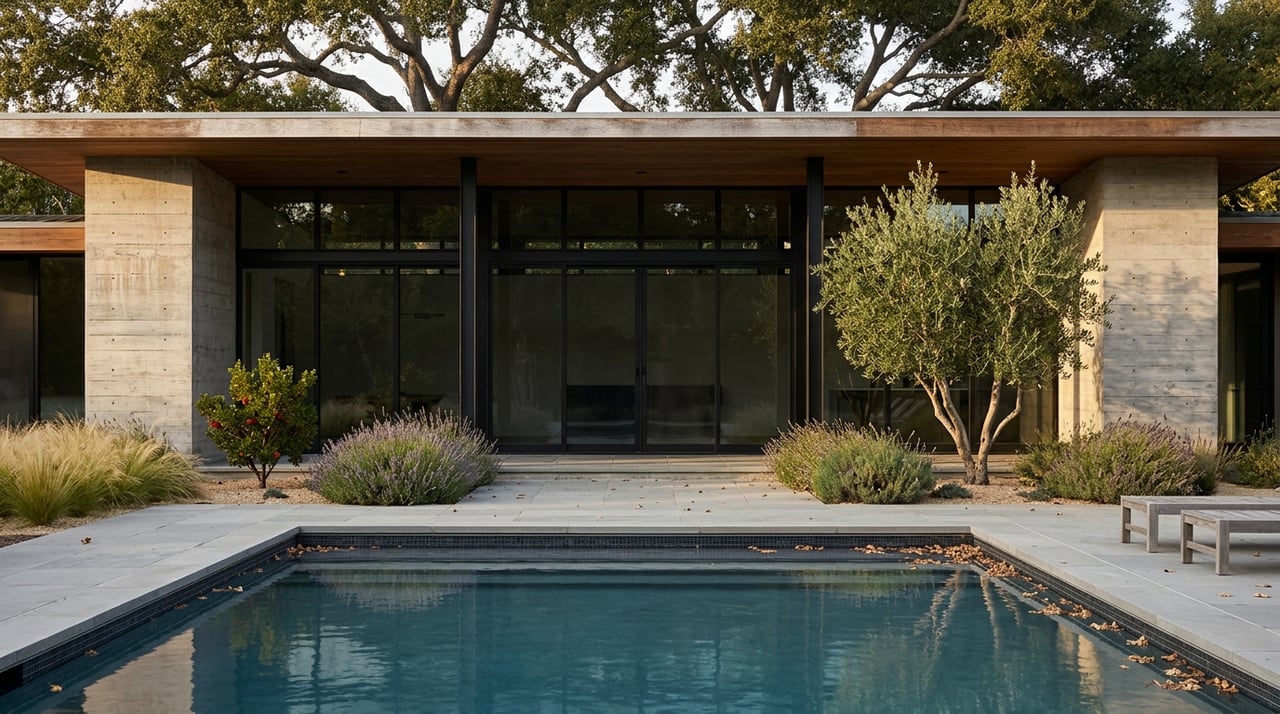
If privacy, views, and custom architecture draw you in, consider Montecito Heights and upper Fountaingrove ridgelines, along with select private hillside enclaves. These areas often include larger lots and homes with unique designs.
- What homes are like: Custom builds with a mix of modern and transitional styles. Lots commonly span 0.2 to 0.5 acre, with some reaching an acre or more.
- Daily life: Scenic outlooks, indoor‑outdoor living, and a quieter feel. Expect larger maintenance responsibilities and longer market times for one‑of‑a‑kind homes.
- Practical checks: Many hillside properties sit in Wildland‑Urban Interface zones that come with stricter building and defensible‑space requirements, which can affect insurance and design choices. Review city guidance in the Resilient City Standards and notices.
Downtown, Railroad Square, and infill condos
If you want a walkable urban lifestyle, focus on Railroad Square and the streets around Courthouse Square. You will find converted lofts, small historic cottages, and newer mixed‑use or multi‑family projects.
- What homes are like: Compact lots, condo and loft options, and limited private outdoor space. The tradeoff is high walkability.
- Daily life: Coffee, dining, and the SMART train are close at hand. See the SMART station list for transit context.
- Practical checks: Assess parking, street activity, and any planned infill that could affect future construction nearby.
Oakmont Village for 55+ living
If you are seeking an age‑restricted community with amenities, Oakmont Village offers 55+ living with golf and social clubs in east Santa Rosa. Learn more about the community profile at ActiveAdultLiving’s Oakmont Village page.
Value‑oriented searches in Roseland
Roseland is an established community undergoing active public‑realm investment and redevelopment. If you are value‑focused, it is a good area to include in your scan. Read about recent civic projects, such as the Roseland Village effort, in this local coverage.
Quick style‑to‑neighborhood match
- Family with young kids who want a yard and single‑level living: Start in Bennett Valley, Rincon Valley, and other mid‑century tracts east or southeast of downtown. Verify school boundaries and drive to nearby parks like Spring Lake.
- First‑time buyer seeking character near downtown: Explore West End, Railroad Square, and adjacent historic pockets. Expect smaller lots and potential preservation review when renovating.
- Buyer who wants turnkey space and modern layouts: Look at newer tracts in Skyhawk and Fountaingrove‑area neighborhoods. Confirm if an HOA applies and review disclosures on recent construction.
- Buyer who wants views, privacy, and room to spread out: Consider Montecito Heights and upper Fountaingrove ridges. Budget for WUI requirements, wildfire mitigation, and potentially higher insurance.
What to verify on any shortlist
Before you fall in love with a home, clear these checks so you can write a confident offer:
- School alignment: Confirm the current school boundary with the district. Online ratings change and boundaries can shift.
- Flood status: Use the city’s page on preliminary FEMA flood mapping to check if the parcel is in a Special Flood Hazard Area.
- Wildfire and WUI: Review any hillside or WUI implications in the city’s Resilient City notices and ask your insurer about coverage and costs early.
- Utilities and ADU potential: Confirm sewer versus septic, utility access, and city fee rules. Start with the city’s FAQ page for ADUs and demand fees.
- Historic rules: If the property sits in a preservation district, read the city’s Preservation Districts guide to understand what work needs review.
A calm plan for next steps
- Get pre‑approved so you can align neighborhoods to a clear budget.
- Pick 1 to 2 home styles and 2 to 3 target neighborhoods, then set MLS alerts that match those filters.
- Do drive‑bys at different times of day to gauge traffic, parking, and general activity.
- For homes you like, order inspections, confirm flood and WUI status, check utilities, and ask for the permit history. Use the city’s FAQ page for ADU and permit references.
- With your agent, run comps, schedule showings, and plan offer timelines that allow for inspections, insurance approval when relevant, and any preservation or rebuild reviews.
Ready to narrow your search and tour the right homes with a calm, local plan? Reach out to Crystal Davis to talk through your wish list, neighborhoods, and next steps.
FAQs
How do Santa Rosa home prices vary by neighborhood?
- Prices shift by pocket. Central and downtown areas often price differently than northeast and hillside neighborhoods, and view estates typically command a premium. Plan your search by style and location, then align to your pre‑approval.
What lot sizes can I expect by home style in Santa Rosa?
- Classic downtown bungalows often sit on roughly 3,000 to 8,000 square feet, mid‑century tracts generally range from about 6,000 to 12,000 square feet, and hillside estates can span 0.2 to 1 acre or more, depending on the enclave.
How do I check if a Santa Rosa home is in a flood or fire risk area?
- Review the city’s FEMA preliminary flood mapping page for current status and ask your insurer about requirements. For hillside or WUI properties, read the city’s Resilient City notices and plan for defensible‑space and building‑code requirements.
Are there special permit rules for historic Santa Rosa homes?
- If a home is in a preservation district, some exterior work needs Cultural Heritage review. Read the city’s preservation guide and plan extra time and budget for design approvals.
Can I build an ADU on a typical Santa Rosa lot?
- Many single‑family lots can support an ADU, but feasibility depends on zoning, utilities, and lot layout. City FAQs outline current rules and fee thresholds, including when smaller ADUs may avoid some demand fees.