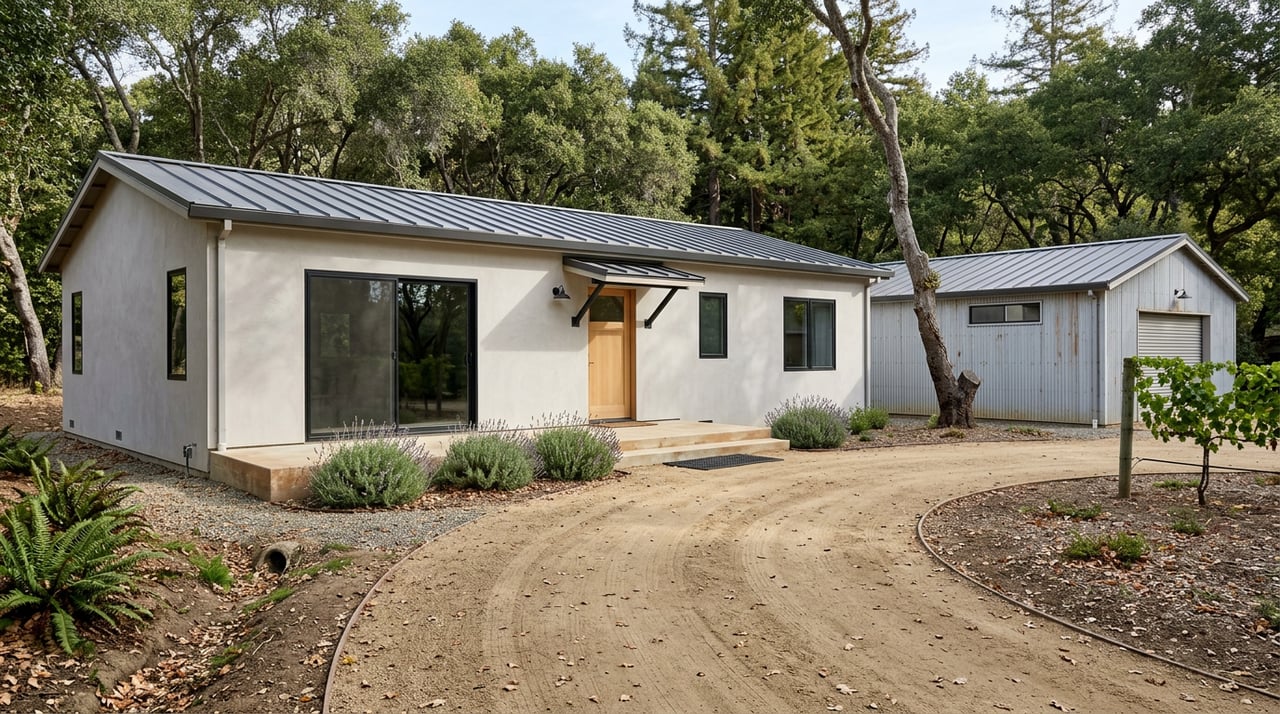
Sebastopol Acreage Homes: A Practical Buyer’s Guide
March 5, 2026
March 5, 2026
Dreaming of wide-open space, vineyard views, and starry nights just outside Sebastopol? Buying acreage can deliver all of that, but it also comes with rural systems and rules that work differently than in town. If you plan ahead, you can avoid costly surprises and feel confident in your purchase.
In this guide, you’ll learn the essentials: access and private roads, wells and septic, wildfire and insurance, land-use rules, and a simple due-diligence checklist. You’ll also get the key questions to ask upfront so you can move through escrow with fewer bumps. Let’s dive in.
Most acreage marketed as “Sebastopol area” sits in unincorporated Sonoma County, not inside the City of Sebastopol. Properties in town often have municipal water and sewer and follow city rules, while rural properties depend on private wells and septic and follow county permitting through Permit Sonoma. Always confirm which jurisdiction applies before you assume anything about utilities or code. You can review the city’s water and sewer information on the City of Sebastopol’s website to understand how in-town service differs from rural systems: Sebastopol water and sewer overview.
West Sonoma soils, including the well-known Goldridge fine sandy loam found in areas like Sebastopol Hills and Green Valley, are prized for premium Pinot Noir. Soil type also affects septic feasibility, percolation, erosion risk, and driveway grading. If you plan to plant or build, ask for soil and perc test records early.
Many country properties are reached by private roads shared by neighbors. A recorded easement and a clear Road Maintenance Agreement (RMA) are highly desirable. Without them, lenders may hesitate, title review can slow, and owners may face unclear or uneven road costs. Learn the basics of private road upkeep and why lenders look for documentation here: private roads and maintenance in West Sonoma.
If a driveway is gated, your gate and roadway need to meet local fire-access standards for width, grade, and turnarounds. Emergency access devices, like a Knox system, may be required. Confirm gate approval with the local fire agency during your contingency period and before you finalize financing.
Sonoma County updated its Well Ordinance in 2023 to include new conservation and review steps for certain areas. Some wells may require additional review and metering, and county guidance has shifted over time due to litigation and policy updates. Before you plan a new or replacement well, verify the current rules and timelines with Permit Sonoma: Well Ordinance update.
If a property uses a private well, you are responsible for verifying water quality and supply. Order tests for bacteria (coliform/E. coli), nitrate, arsenic, and other site-specific contaminants. State and federal sampling programs have found detectable PFAS and other constituents in some domestic wells statewide, so include any tests that fit the property’s context. Learn the basics of well ownership, testing, and lead times here: California well owner guide.
New or replacement wells can cost tens of thousands of dollars and require county permits and well completion reports. Get bids from licensed drillers and plan for several weeks or more for scheduling and laboratory turnaround for water testing.
Most rural properties rely on septic systems, which are built and maintained under Sonoma County’s Onsite Wastewater Treatment Systems (OWTS) program. Before you remove contingencies, request the septic permit file, perc and soil tests, as-built plans, pump records, and any repair history. If you plan to add bedrooms or an ADU, confirm the system’s capacity now. See the county’s standards here: Sonoma County OWTS Manual.
Septic repair and replacement costs vary based on system type, soils, and site slope. An independent septic evaluation during escrow is essential. Get at least two local bids if you suspect repair or replacement may be needed.
Cal Fire released updated Fire Hazard Severity Zone maps in 2025. Local adoption of Moderate, High, or Very High designations can affect disclosures, defensible-space requirements, and construction standards. Check your parcel’s FHSZ status early: Cal Fire/Sonoma County FHSZ maps.
In High and Very High zones, California AB 38 requires sellers to provide documentation of defensible-space compliance or a written agreement to complete it. This can add steps and time to escrow for inspections and any corrective work. Read the text for context here: AB 38 defensible space requirements.
Wildfire exposure can affect the availability and cost of homeowners insurance. Some properties may require coverage through the California FAIR Plan, the insurer of last resort, along with a companion policy to fill gaps. Start insurance checks during contingencies to avoid surprises: California FAIR Plan overview.
County zoning and the General Plan control how you can use your land, including agricultural operations, accessory structures, and potential future splits. Combining zones, like Oak Woodland or Riparian Corridor, add extra rules that can limit tree removal or earthwork. Confirm overlays before planning major changes.
Sonoma County has strengthened protections for oaks and other trees in recent years. Work such as removal, clearing, or new roads may require permits, arborist reports, mitigation, or a use permit. Get familiar with current rules here: Comprehensive Tree Ordinance update.
Grading, new roads, culvert replacement, or vineyard planting can trigger county drainage/grading permits, CEQA review, and regional or federal approvals if work touches riparian corridors or wetlands. Budget time for studies and mitigation if your plans involve significant earthwork or water-adjacent areas.
Use this list for offers and escrow. Make key items contingencies.
Common escrow reports to order
Buying acreage near Sebastopol can be deeply rewarding if you approach it with clear eyes. You trade a bit of convenience for privacy, open land, and the freedom to create your own place. When you verify access, water, septic, wildfire readiness, and land-use constraints upfront, you protect your investment and make your move with confidence.
If you want a calm, organized process with local guidance and the right experts at the table, connect with Crystal Davis. Let’s talk about your next move.
Stay up to date on the latest real estate trends.

Real Estate

Born and raised in Sonoma County and backed by nearly two decades of real estate experience, I bring deep local knowledge, trusted expertise, and a genuine passion for people to every transaction. I’m proud to deliver a real estate experience that’s nothing short of exceptional. Explore my website, and don’t hesitate to reach out — we’re in this together!