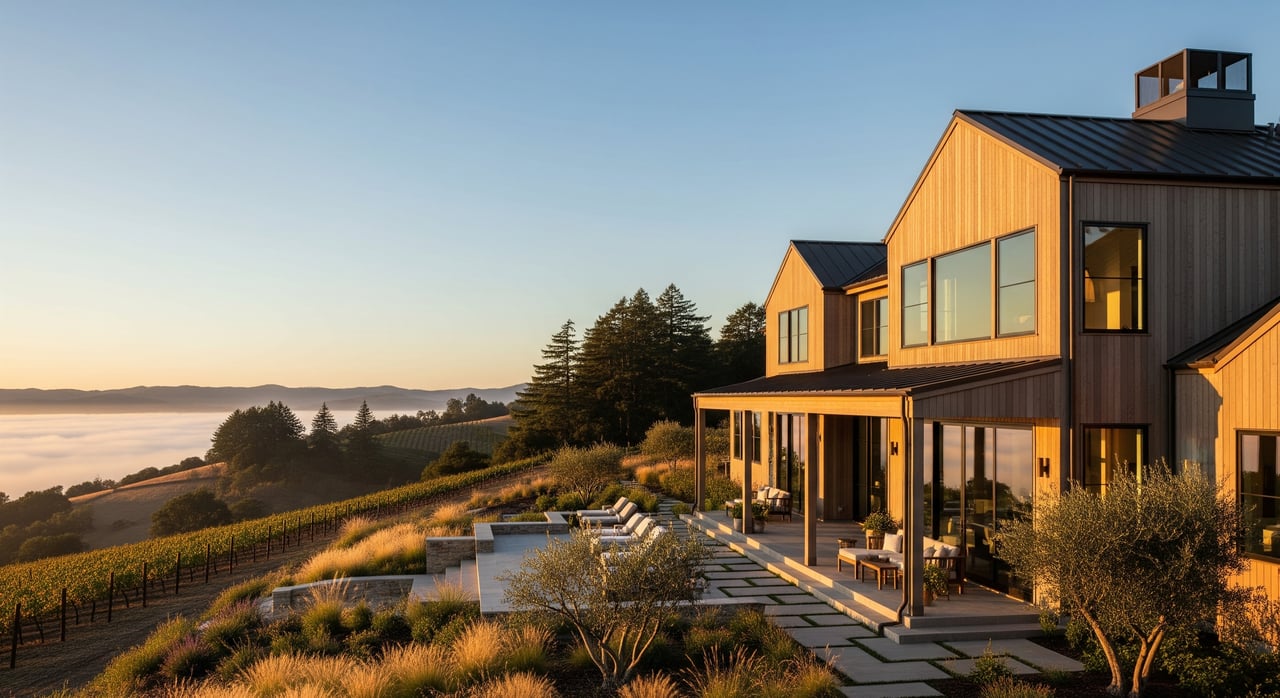
How Sebastopol Microclimates Shape Real Estate Decisions
December 18, 2025
December 18, 2025
How can two Sebastopol homes less than a mile apart feel like different worlds? If you’ve toured West Sonoma County, you’ve seen it firsthand: one yard warms up early, another stays misty till noon, and a nearby valley floor gets frost while a gentle slope stays clear. You want a home that fits your lifestyle, energy goals, and garden plans, not surprises after you move in. This guide explains Sebastopol’s microclimates, how they shape everyday comfort, and what to check during showings so you can buy with confidence. Let’s dive in.
Sebastopol sits in western Sonoma County with a Mediterranean pattern of cool, wet winters and warm, dry summers. The Pacific Ocean and summer fog help moderate heat, while most rain arrives from late fall through early spring. Daily swings are common, with warmer afternoons and cool nights.
Cool ocean air and the low morning marine layer move inland, especially at lower elevations. Areas closer to the coast or open to onshore flow tend to be cooler and more humid, often with later morning burn‑off. That can lower daytime highs and increase moisture around the home and landscape.
Slope and direction have a big impact. South and southwest slopes receive more winter sun and overall solar access, while north slopes are shadier and cooler. Valley bottoms can trap cold air, creating frost pockets, and ridgelines are often windier with less frost. Even modest elevation changes can shift frost risk and temperature by noticeable amounts.
Creeks, ponds, and irrigated landscapes locally moderate temperature swings and raise humidity. Mature trees, hedges, fences, and buildings alter wind and shade patterns at the parcel level. These features can increase outdoor comfort or affect sun exposure for gardening and solar.
Orientation matters for natural light and seasonal warmth. South and southwest exposures bring brighter interiors and passive solar gain in winter. East exposures offer gentle morning light and cooler afternoons, while west exposures can lead to warmer, late‑day rooms. North‑facing areas are typically cooler and shadier year‑round.
For patios and decks, the direction sets usable hours through the seasons. A south or southwest patio may be sunny much of the year, but you may want summer shade. East patios are comfortable for breakfasts and morning play, and west patios often work best for late‑day gatherings if shaded.
Windy ridgelines can feel cooler and reduce outdoor comfort on breezy days. Sheltered yards boost comfort and extend your outdoor season, though they can trap moisture. Large evergreen trees block sun year‑round and can cool the home in summer but may reduce light for gardens or solar systems. Deciduous trees shade in summer and allow winter sun, which pairs well with passive solar strategies.
Cold air pools in low‑lying parcels, increasing frost risk for tender plants. Gentle slopes or slightly elevated sites tend to reduce that risk. Chill hour accumulation influences fruit tree choices and bloom timing, so selecting varieties that match local chill patterns is smart. Microclimate differences often decide whether a yard excels with cool‑season crops or heat‑loving vegetables.
With a defined wet season, some Sebastopol yards experience ponding in compacted or flat areas. Soil texture varies, with heavier clays common in some valleys and sandier or loamier soils on slopes. Good drainage supports plant health and enjoyable outdoor areas after storms. A simple soil test helps guide planting and irrigation plans.
Shady, humid microclimates favor fungal diseases such as powdery mildew and botrytis. Sunnier, breezier locations tend to be drier and often see less fungal pressure. Knowing your yard’s microclimate helps you select plants and plan spacing to reduce issues.
South‑facing windows and appropriate glazing can capture low winter sun to warm living spaces. Overhangs or deciduous trees can limit summer overheating while letting in winter light. Cooler, foggy locations often have lower cooling needs but may need more nighttime heating, while sunny, sheltered sites can reduce heating loads in winter.
Photovoltaic performance depends on sun access. The ideal orientation is close to true south, with a tilt around your latitude for balanced year‑round production. Partial shade from trees, nearby ridgelines, or dormers can disproportionately reduce output, so a professional shade study is valuable.
For a quick sense of solar potential, use production calculators and solar mapping tools, then confirm with an on‑site shading analysis. Smartphone sun‑path apps are helpful during showings. For installation and interconnection, local homeowners commonly work with regional utilities and energy providers; check current rules and incentives before moving forward.
Start by prioritizing how you live. If you value bright interiors and winter warmth, a south‑facing slope with fewer evergreen trees may fit you best. If you prefer cooler afternoons, look for homes with more east exposure or reliable marine influence.
For gardeners, identify your goals. Heat‑loving vegetables and citrus often prefer warm, sheltered courtyards or gentle south slopes, while cool‑season crops and shade‑tolerant ornamentals can thrive in foggier or partially shaded zones. If fruit trees are a priority, match varieties to local chill patterns and place tender species away from frost pockets.
For energy, weigh passive solar and PV potential against comfort needs. Some buyers trade a bit of summer shade for higher winter sun, then use trees or eaves to control heat in July and August. Others emphasize wind shelter and outdoor comfort, accepting modest PV output in exchange for calmer patios.
Above all, remember that microclimates vary block by block. Two homes on the same street can feel very different in January or July. Visiting at different times of day and in different seasons is one of the most reliable ways to confirm a fit.
When you are ready to connect your short list of homes to real, on‑site microclimate insights, a local guide makes all the difference. If you want a calm, data‑guided way to evaluate sun, fog, drainage, gardening potential, and solar across Sebastopol and West County, let’s talk. Reach out to Crystal Davis for a friendly consultation and a tailored plan for your next move.
Stay up to date on the latest real estate trends.
Born and raised in Sonoma County and backed by nearly two decades of real estate experience, I bring deep local knowledge, trusted expertise, and a genuine passion for people to every transaction. I’m proud to deliver a real estate experience that’s nothing short of exceptional. Explore my website, and don’t hesitate to reach out — we’re in this together!