
Listing A Sebastopol Or Graton Country Home With Confidence
May 28, 2026
May 28, 2026
If you are getting ready to sell a country home in Sebastopol or Graton, you already know it is not the same as listing a house in a typical subdivision. Buyers are not only looking at bedrooms and square footage. They are also weighing the land, the setting, the systems, and how the property fits West County living. This guide will show you how to prepare, present, and market your home with more clarity and less stress, so you can move forward with confidence. Let’s dive in.
Sebastopol and Graton have a distinct appeal, and that shapes how buyers evaluate homes there. Sebastopol is described by the city as a small semi-urban community surrounded by vineyards, apple orchards, redwoods, and streams, while Graton is an unincorporated West County community with a small-town core and laid-back valley setting.
That local character matters because buyers are often purchasing a lifestyle property, not just a residence. In Sonoma County, zoning is designed to protect agricultural, residential, scenic, and natural-resource characteristics, so details like acreage, views, access, and nearby land uses can play a major role in a buyer’s decision.
For you as a seller, that means your listing strategy should tell the full property story. The home matters, of course, but the land, outdoor features, utility systems, and day-to-day function of the property matter just as much.
A confident listing launch usually starts well before the home goes live. Rural and country properties tend to invite more questions, and if you can answer those questions early, you can reduce delays and build buyer trust.
California’s Department of Real Estate says sellers complete a transfer disclosure statement covering the condition of the property and potential hazards or defects. The state also requires disclosure of material facts affecting value, desirability, and intended use, and Natural Hazards Disclosure rules can apply in wildfire-related zones.
That is why preparation is not just paperwork. It is part of your marketing plan.
In Sonoma County, properties without public sewer service must have septic systems. For Graton in particular, it is worth confirming whether your property is served by the local wastewater district or by an individual septic system.
If your home has a septic system, gather any records you have before listing. Buyers often want clarity early, and having documents ready can make the property feel more organized and better cared for.
If your property has a well, buyers may ask about permit history and water supply details. Sonoma County notes that well construction permits are required for certain well-related work, including drilling a new or replacement water supply well or destroying an existing well.
The county also states that non-emergency well permits are currently suspended under a Sonoma County Superior Court order served on December 17, 2024. That makes existing well documentation especially important for some rural listings, since buyers may want to better understand the current status and limitations tied to water infrastructure.
Country properties often have more moving parts than in-town homes. Additions, grading, encroachments, storm-water work, zoning clearances, and lot-line adjustments can all come into play depending on the parcel and its history.
Permit Sonoma also notes that zoning clearances may require added setbacks near scenic roadways or waterways. If you have made changes to the property over time, it is smart to gather records early so you are not scrambling once buyer questions start coming in.
Wildfire readiness is a major part of listing a country home in West County. This is not something to leave vague in marketing or disclosure conversations.
CAL FIRE says wildfire preparedness includes home hardening and maintaining 100 feet of defensible space around structures. Its guidance also highlights ignition-resistant materials, safer landscaping, and ongoing maintenance practices that can help reduce wildfire exposure.
Sonoma County’s local fire-hazard mapping is current, which is another reminder that hazard disclosure is an active issue in the market. If you have completed defensible-space work or home-hardening improvements, organize that information before the listing goes live.
Many buyers looking at Sebastopol or Graton homes will ask practical wildfire questions, such as:
Clear answers can help buyers feel more informed from the start.
One of the biggest missed opportunities in country-home marketing is focusing too narrowly on the interior. In Sebastopol and Graton, buyers are often drawn to the full setting.
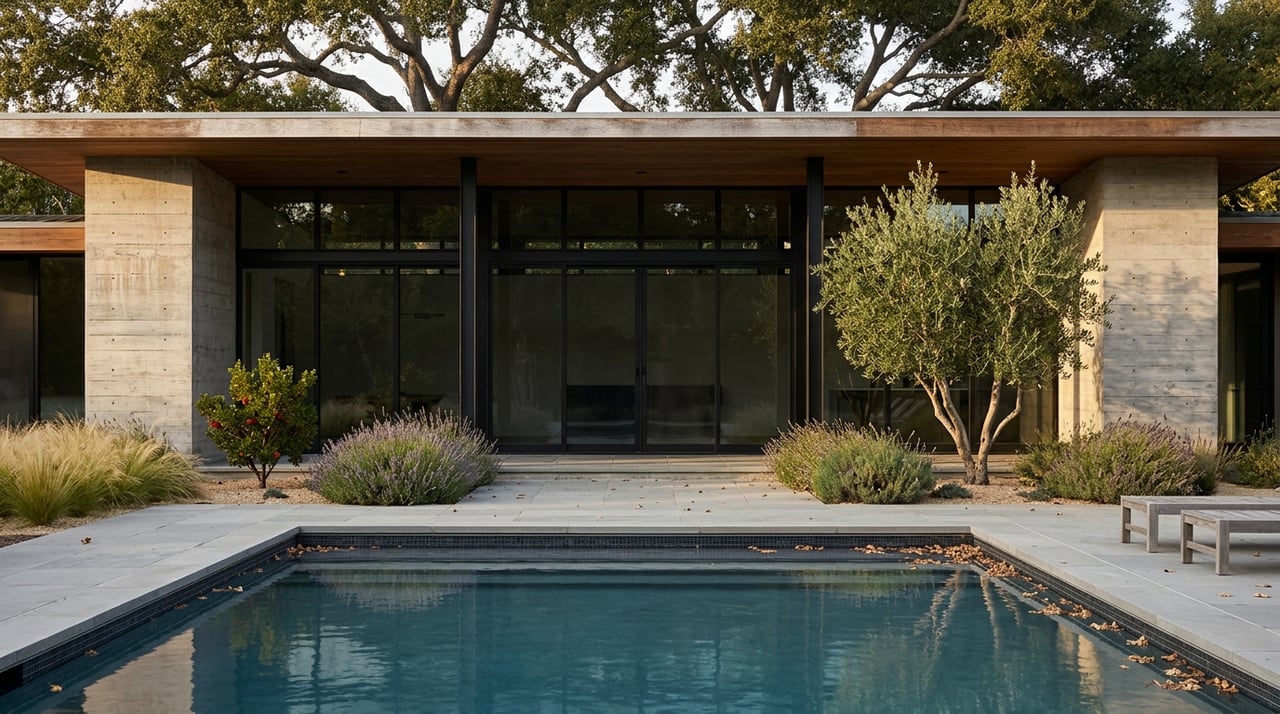
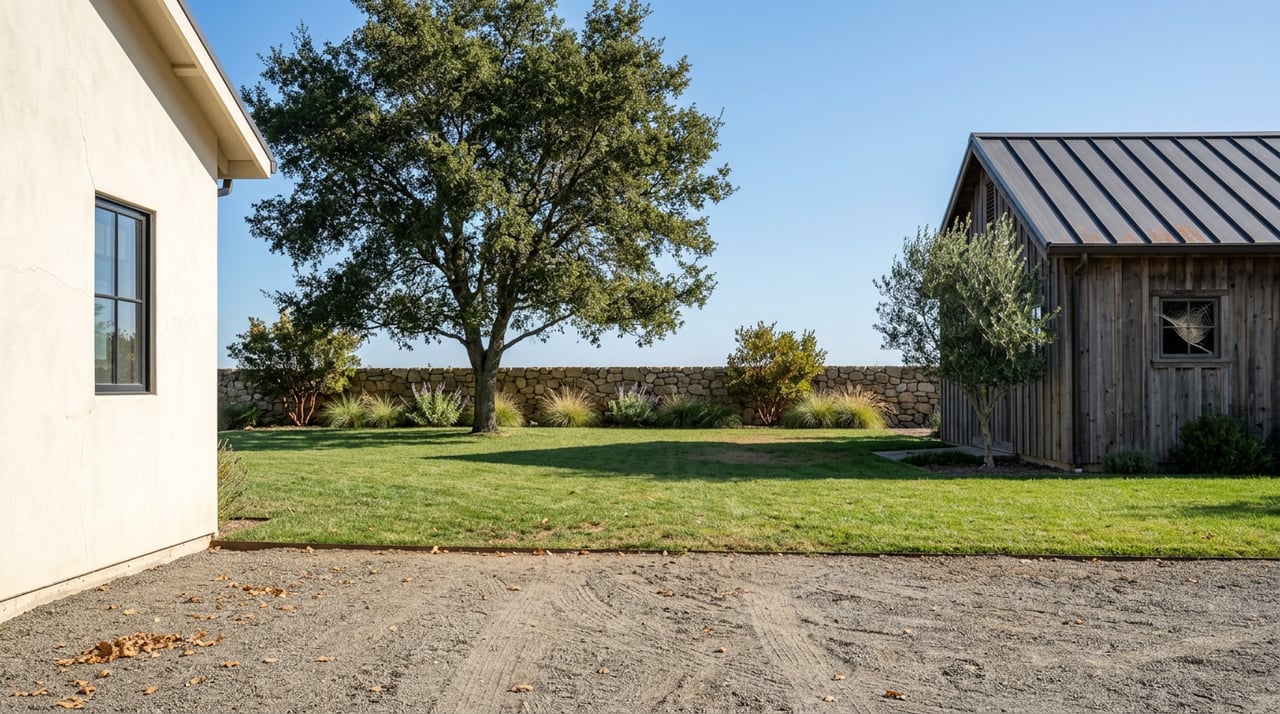
That may include usable flat land, garden space, patios, tree cover, sunlight, outbuildings, driveways, and the transition between indoor and outdoor living. When the property includes acreage or a strong outdoor lifestyle component, those features should not be treated like an afterthought.
A strong listing presents how the property actually lives. It shows where you gather, where you garden, how you arrive, how private or open the site feels, and how the home connects to the surrounding landscape.
Pretty photos matter, but function matters too. Buyers want to understand how the land works.
That means showcasing features like:
The goal is to help buyers picture the property clearly and realistically.
Presentation has a measurable impact on buyer response. According to the National Association of REALTORS® 2025 Profile of Home Staging, 83% of buyers’ agents said staging made it easier for buyers to visualize a property as a future home.
That same report found that photos were important to 73% of buyers’ agents, videos to 48%, and virtual tours to 43%. Sellers’ agents also reported that staging could help reduce time on market slightly in some cases.
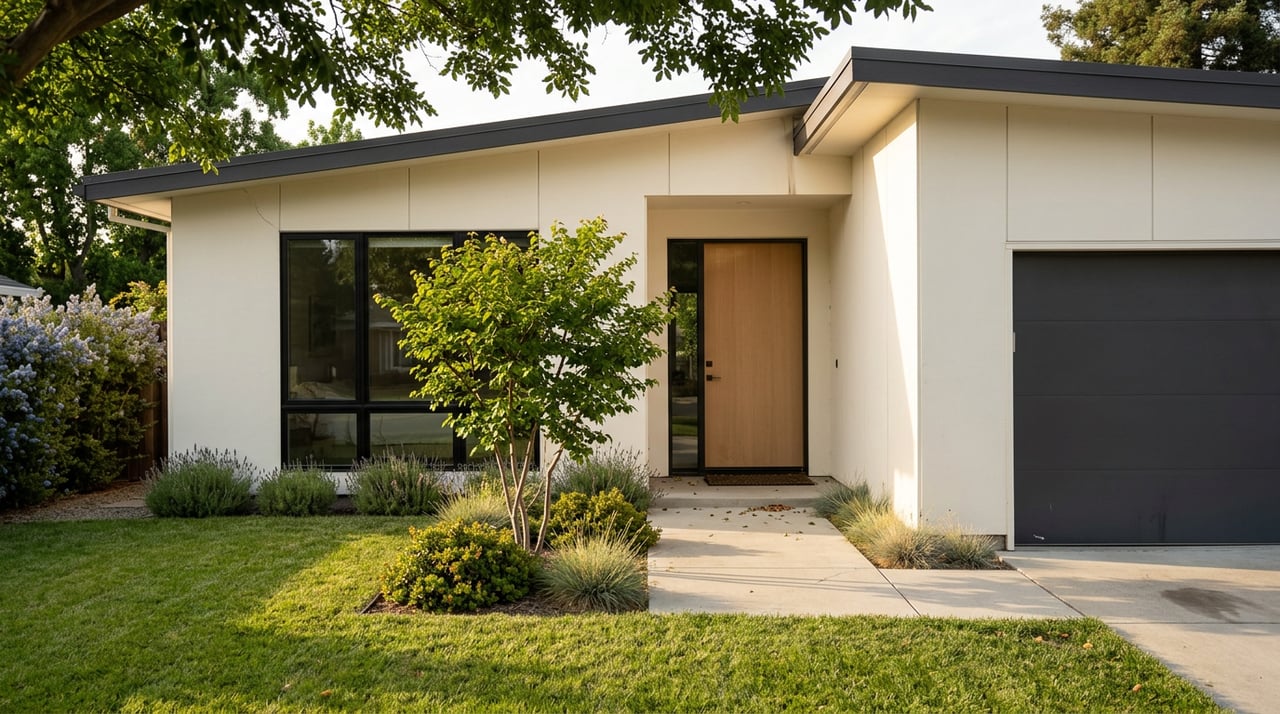
For a Sebastopol or Graton country home, that supports a polished launch with professional photography, strong exterior images, and video when the property story benefits from movement and scale.
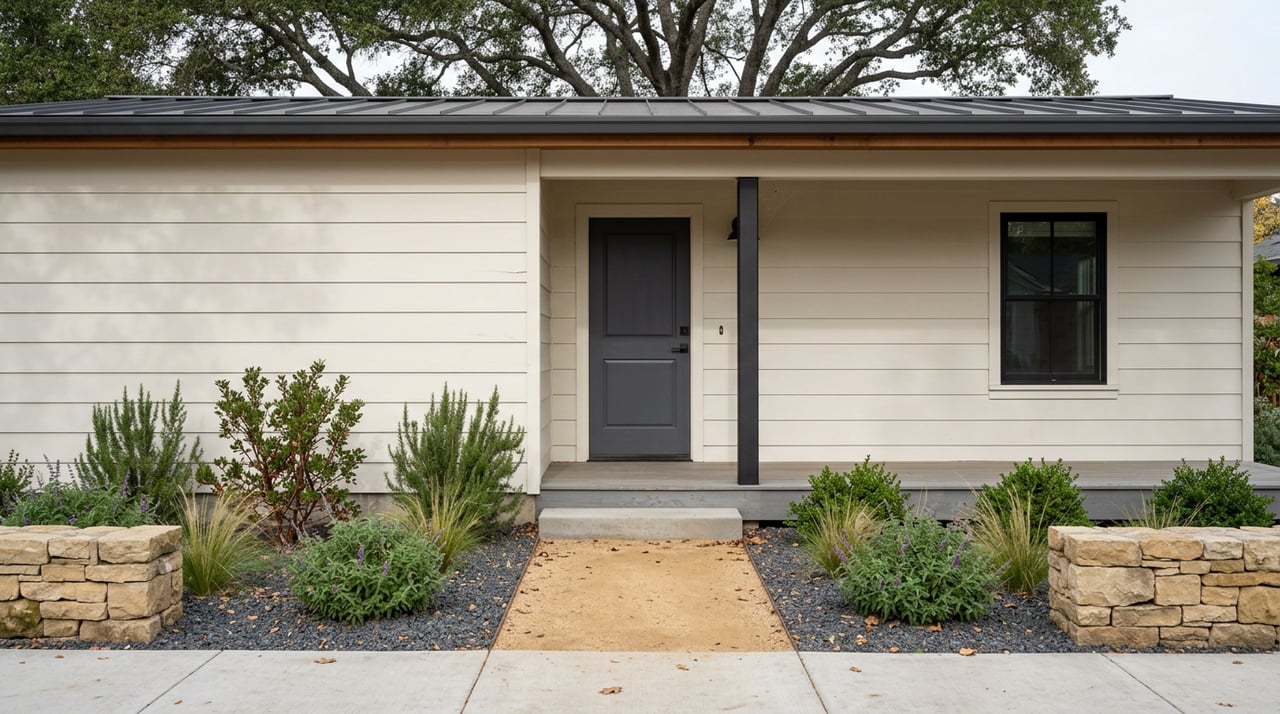
NAR found that living rooms, primary bedrooms, and kitchens were the most commonly staged rooms. Those spaces still matter in country homes, but exterior presentation deserves equal attention when the setting is part of the value.
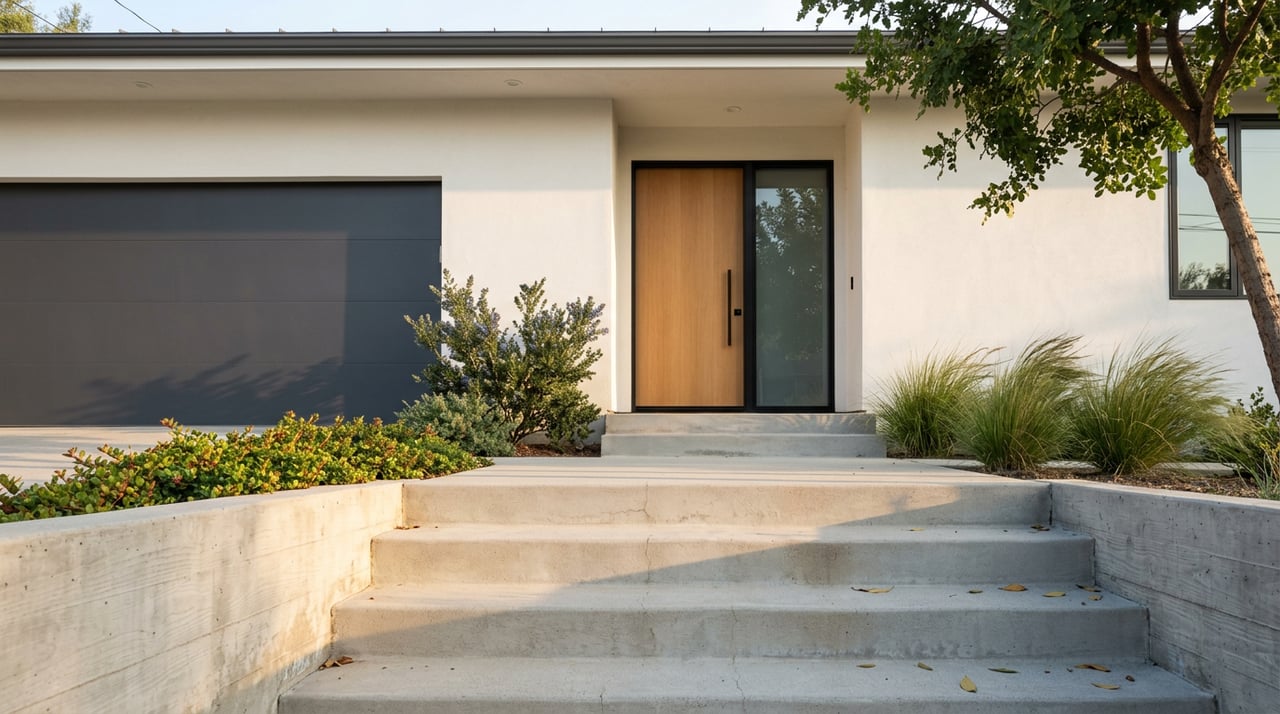
That could mean tidying outdoor furniture, defining gathering areas, clearing visual clutter near driveways, and making sure the transition from inside to outside feels intentional. Aerial imagery can also be especially helpful when land is central to the property’s appeal.
There is a balance to strike. NAR also found that 58% of respondents said buyers were disappointed when homes did not look like what they see on television.
That is a useful reminder to present your home beautifully without creating unrealistic expectations. Clean, coherent, well-prepared marketing tends to perform better than over-styled presentation that does not match the real experience of the property.
With country homes, the first showing often happens online. NAR’s 2025 survey suggests buyers rely heavily on photos, videos, and virtual tours before deciding whether to visit in person.
Among agents who said buyers had a pre-set expectation for how many homes they would view, the median was 20 virtual views and eight in-person homes. That means your online presentation needs to do a lot of work before a buyer ever opens the gate.
A smooth showing starts with clear communication. Rural properties often come with site-specific logistics that are worth explaining in advance.
These may include:
This helps protect the property while also making the showing experience feel more professional.
Because buyers may ask more detailed questions, it helps to prepare a document packet early. This can reduce back-and-forth and make your listing feel more credible from day one.
Depending on the property, that packet may include available records related to septic, sewer, wells, permits, wildfire readiness, and past site work. A more complete file often helps buyers evaluate the opportunity with fewer unknowns.
The best Sebastopol and Graton listings do not try to gloss over rural-property complexity. Instead, they meet it head-on with good preparation, thoughtful presentation, and honest communication.
When you lead with the land story, organize your records early, and launch with strong visuals, you give buyers what they need to engage seriously. That approach can make the process feel calmer for you and stronger in the market.
Selling a country home should feel personal, strategic, and well-supported. If you want a tailored plan for your Sebastopol or Graton property, Crystal Davis can help you prepare, market, and navigate the sale with local insight and steady guidance.
Stay up to date on the latest real estate trends.

Born and raised in Sonoma County and backed by nearly two decades of real estate experience, I bring deep local knowledge, trusted expertise, and a genuine passion for people to every transaction. I’m proud to deliver a real estate experience that’s nothing short of exceptional. Explore my website, and don’t hesitate to reach out — we’re in this together!